If you've been looking for a martial art that builds real fitness, practical striking skills, and mental toughness — Muay Thai checks every box.
It's one of the most respected combat sports in the world, a staple in MMA training, and an increasingly popular martial art in Mississauga and the Greater Toronto Area.
New to Muay Thai? This beginner's guide covers everything you need to know before your first class — from techniques and training structure to equipment, fitness benefits, and getting started.
What Is Muay Thai?
Muay Thai is the national sport and martial art of Thailand. Often called the "Art of Eight Limbs," it uses fists, elbows, knees, and legs as striking weapons.
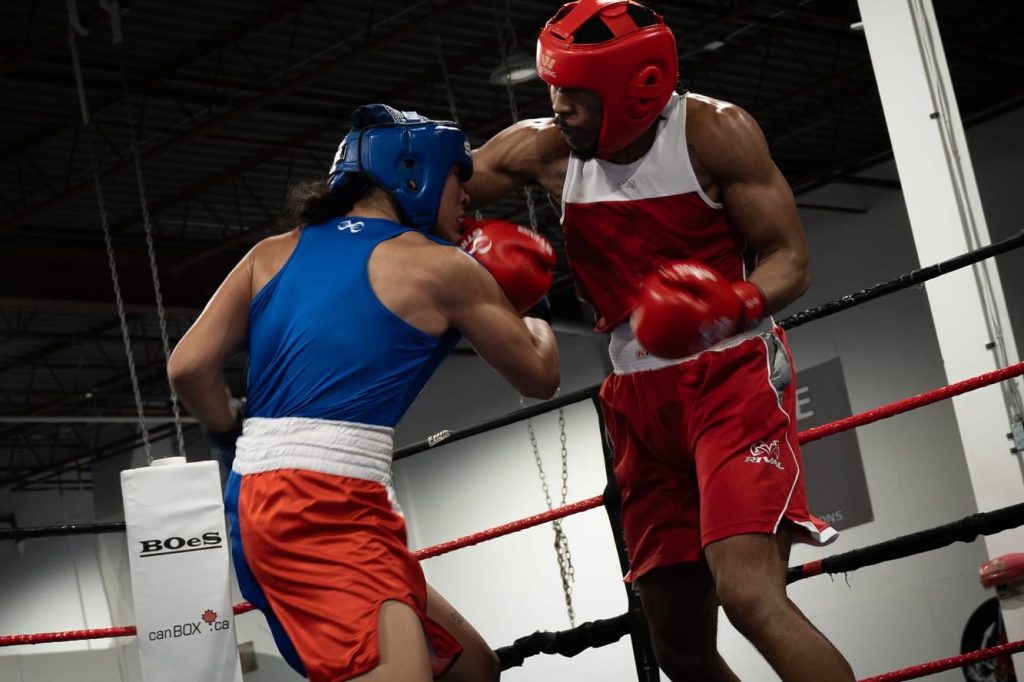
These eight points of contact distinguish Muay Thai from boxing, which primarily uses punches, and many styles of kickboxing.
Muay Thai has a long history in Thailand and has developed into a regulated competitive sport.
Today, it's practised worldwide by competitive fighters, fitness enthusiasts, and everyday people interested in learning effective striking techniques.
A Brief History of Muay Thai
Muay Thai developed from older Thai fighting traditions, often associated with Muay Boran, which included combat techniques used before the modern sport was established.
Over time, Muay Thai evolved into a formal competitive sport with standardized rules, boxing rings, protective equipment, and organized competitions.
During the twentieth century, Muay Thai gained international recognition and eventually became an important component of Mixed Martial Arts (MMA).
Today, people train Muay Thai for competition, fitness, personal development, and practical striking skills.
What Makes Muay Thai Different?
Several important elements distinguish Muay Thai from other striking martial arts.
- The Clinch: Muay Thai fighters learn to control opponents at close range, using balance, positioning, knees, and permitted sweeps. Clinch training is an important part of traditional Muay Thai.
- Elbows and Knees: These strikes add another dimension to stand-up fighting and require specialized defensive techniques.
- Leg Kicks: Muay Thai teaches powerful low kicks targeting the legs, along with defensive movements such as checking kicks.
- Mental Toughness: Conditioning, pad work, technical drills, and controlled sparring can challenge your endurance, focus, and discipline.
What to Expect in a Muay Thai Class
Most Muay Thai classes combine technique, conditioning, and partner exercises.
The exact structure depends on the class level and instructor, but a typical session may include the following components.
1. Warm-Up (Approximately 10 Minutes)
Many classes begin with skipping rope, shadowboxing, and dynamic stretching.
Skipping is a staple of Muay Thai training because it develops footwork, coordination, rhythm, and cardiovascular conditioning.
Don't worry if you're not good at skipping right away. Like everything in martial arts, it improves with practice.
2. Pad Work or Partner Work (Approximately 40 Minutes)
Your instructor will demonstrate strikes, combinations, defensive techniques, or movement patterns.
You'll then practise them through pad work or controlled partner drills.
Pad work is where Muay Thai really comes alive. It's high-energy, practical, and genuinely fun once you get the hang of it.
Partner exercises also help students develop timing, distance management, accuracy, and coordination in a supervised environment.
3. Clinch Work and Sparring (Intermediate/Advanced)
As your skills develop, you may be introduced to clinch techniques and controlled sparring.
Clinch work teaches close-range positioning, balance, and control, while sparring provides opportunities to practise techniques against a moving partner.
Beginners aren't expected to jump immediately into contact sparring. Your instructor will help you progress appropriately based on your experience, comfort, and readiness.
4. Conditioning (Approximately 10 Minutes)
Physical conditioning is an important component of Muay Thai training.
Classes may finish with exercises such as core work, squats, push-ups, or cardiovascular drills.
These exercises help develop the endurance and strength needed for consistent training.
What Gear Do You Need for Muay Thai?
For your first class, comfortable athletic clothing is usually a good starting point. Contact the gym to confirm any required equipment.
As you continue training, you'll likely want the following gear:
- Boxing Gloves: Common training sizes include 12–16 oz, depending on your body size, training activity, and instructor recommendations.
- Hand Wraps: Worn underneath boxing gloves to provide additional support for your hands and wrists.
- Shin Guards: Important for supervised contact drills and sparring.
- Mouthguard: Essential protective equipment for contact sparring.
- Muay Thai Shorts: Designed to allow a wide range of movement for kicks, knees, and footwork.
- Skipping Rope: Useful for warm-ups, coordination, and conditioning exercises.
Beginner Tip: You don't need to purchase every piece of equipment before your first class. Ask your instructor what is required and which equipment is recommended for your training level.
Is Muay Thai Good for Fitness and Self-Defense?
Muay Thai for Fitness
Absolutely. Muay Thai provides a challenging full-body workout that combines cardiovascular exercise, muscular endurance, coordination, and mobility.
Training sessions involve repeated striking combinations, footwork, pad work, and conditioning drills that engage both the upper and lower body.
Depending on intensity, duration, and individual characteristics, a Muay Thai class can require substantial energy expenditure.
Regular training can help improve cardiovascular fitness, core strength, coordination, balance, and overall conditioning.
Muay Thai for Self-Defense
Muay Thai can provide useful skills for self-defense, especially when it comes to striking, movement, defensive positioning, and managing distance.
Because competitive Muay Thai includes training with resisting opponents, students can develop experience applying techniques under pressure.
However, no martial art guarantees safety in a real-world confrontation. Situational awareness, de-escalation, and escaping dangerous situations remain important priorities.
Who Is Muay Thai For?
Almost anyone interested in learning can get started.
Muay Thai training can be adapted to different ages, experience levels, and fitness goals.
- Complete Beginners: You don't need a martial arts background. Beginner-friendly instruction focuses on building fundamental techniques step by step.
- Athletes: Muay Thai can complement other sports by challenging conditioning, coordination, balance, and movement skills.
- Women: Muay Thai provides opportunities to develop confidence, fitness, striking skills, and physical awareness.
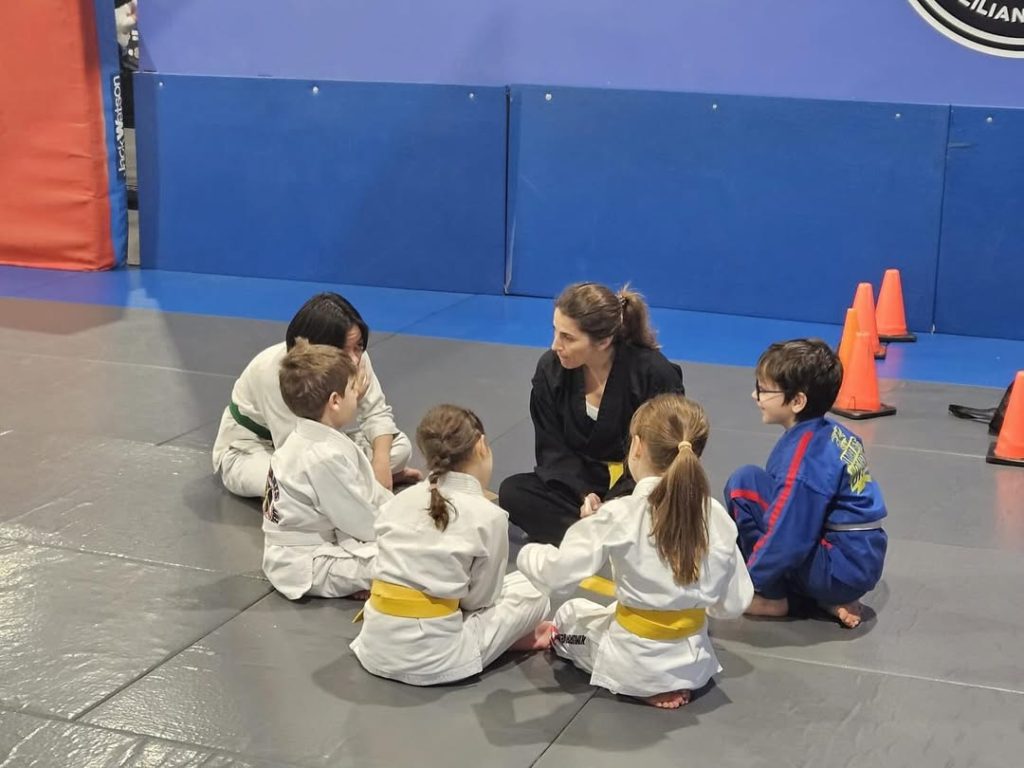
- Kids and Teens: Age-appropriate Muay Thai programs can emphasize discipline, respect, coordination, fitness, and technical development.
- Adults of Different Ages: Whether you're 20 or 55, training intensity and progression can be adapted to your fitness level, experience, and goals.
Frequently Asked Questions About Muay Thai
Do I Need to Be Fit to Start?
No. You don't need to be in peak physical shape before your first class.
Muay Thai training can help you gradually improve your fitness. Start at a manageable pace and build your conditioning over time.
Will I Have to Spar Right Away?
No. Beginners typically focus on learning fundamentals, movement, and controlled drills before progressing to contact sparring.
Sparring should be supervised and introduced only when appropriate for your experience and readiness.
How Long Until I'm Competent?
Progress varies from student to student.
Many beginners begin feeling more comfortable with fundamental techniques after approximately three to six months of consistent training.
Developing advanced timing, defensive skills, and technical proficiency usually takes much longer.
The key is consistency.
Can I Compete in Muay Thai?
Absolutely — if that's something you're interested in pursuing.
Some Muay Thai students train toward amateur or professional competition, while others focus entirely on fitness, personal development, or self-defense.
Competition is optional. You can enjoy the benefits of Muay Thai without ever stepping into a competitive ring.
Train Muay Thai in Mississauga at KOMBAT ARTS
KOMBAT ARTS has been serving martial arts students in Mississauga and the Greater Toronto Area since 2000.
Our Muay Thai program is led by experienced instructors, including coaches with competitive backgrounds, in an 8,500 sq. ft. training facility in Mississauga.
Whether you're stepping onto the mats for the first time or preparing for competition, our program is designed to support students at different experience levels and help them work toward their goals.
Come try a class. The hardest part can be walking through the door for the first time. Once you're there, the learning begins.
Ready to Try Muay Thai?
Discover Muay Thai training at Kombat Arts Training Academy in Mississauga.
Submit your free trial request and our team will call you to discuss your goals, answer your questions, and help arrange your first class.
Request Your Free TrialKOMBAT ARTS is located in Mississauga and serves the Greater Toronto Area. We offer Muay Thai, Boxing, Brazilian Jiu-Jitsu, Karate, and more — all under one roof.