Thinking about trying martial arts but not sure where to begin? You're not alone. Whether your goal is to improve your fitness, learn self-defence, build confidence, or develop a new skill, martial arts offers something for almost everyone.
The best part? You don't need any previous experience to get started.
In this beginner's guide, we'll explore different types of martial arts, what to expect during your first class, the benefits of training, and how to choose the right martial art for your goals.
1. What Are Martial Arts?
Martial arts are systems of physical training that develop skills such as striking, grappling, self-defence, coordination, and discipline.
Although many people associate martial arts with fighting, training involves much more than learning how to throw a punch or execute a takedown.
Martial arts can help you develop physical fitness, mental focus, self-confidence, and resilience while providing a structured environment for personal improvement.
2. Different Types of Martial Arts for Beginners
One of the first decisions you'll make is choosing which martial art to try. Each discipline offers a different experience.
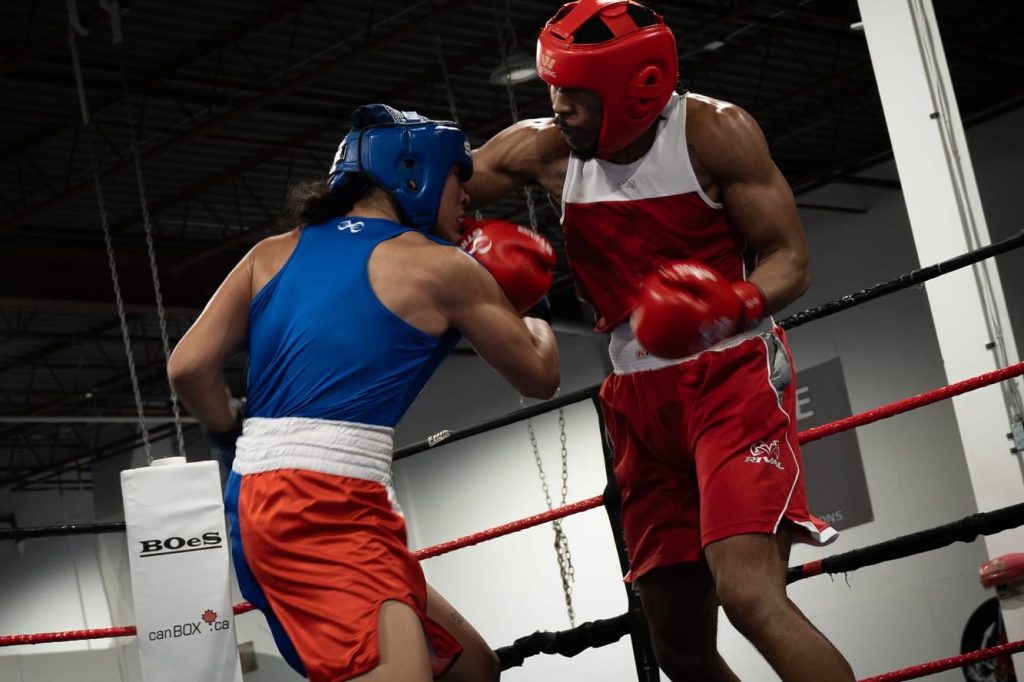
Boxing
Boxing focuses on punches, footwork, head movement, defence, and conditioning.
It's an excellent option for beginners interested in improving cardiovascular fitness, coordination, and striking technique.
Best for: Fitness, striking skills, footwork, and confidence.
Muay Thai
Known as the "Art of Eight Limbs," Muay Thai uses punches, kicks, elbows, and knees.
Training combines striking techniques with balance, conditioning, and defensive movement.
Best for: Full-body workouts, stand-up striking, and practical combat-sport skills.
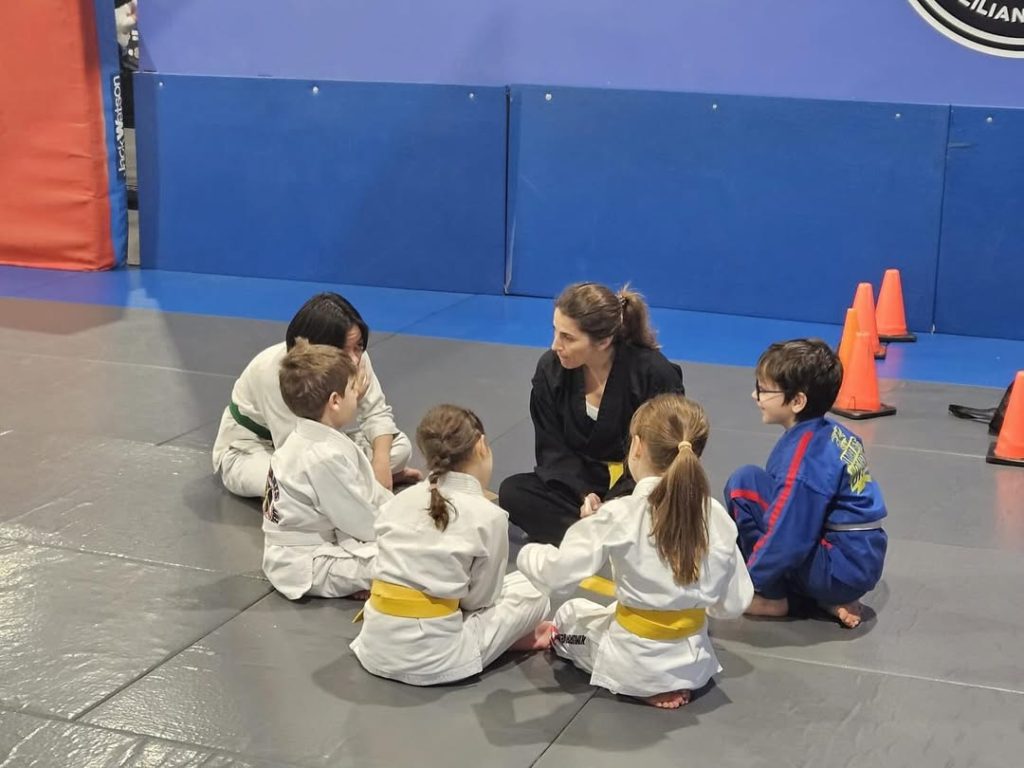
Brazilian Jiu-Jitsu (BJJ)
Brazilian Jiu-Jitsu focuses on grappling, positional control, joint locks, and submission techniques.
Rather than relying primarily on punches and kicks, BJJ teaches practitioners how to control opponents through positioning, leverage, and technique.
Best for: Grappling, problem-solving, technical development, and ground-based self-defence skills.
Mixed Martial Arts (MMA)
MMA combines techniques from several disciplines, including boxing, Muay Thai, wrestling, and Brazilian Jiu-Jitsu.
It allows students to develop both striking and grappling abilities.
Best for: Well-rounded martial arts training and learning multiple fighting styles.
Kickboxing
Kickboxing incorporates punching and kicking combinations along with footwork, defensive movement, and conditioning.
It's a popular option for people looking to improve fitness while learning striking fundamentals.
Best for: Beginners seeking an energetic workout and practical striking skills.
3. What Are the Benefits of Martial Arts?
Martial arts can offer several physical and mental benefits.
- Improved physical fitness: Regular training challenges cardiovascular endurance, muscular strength, balance, and flexibility.
- Increased confidence: Learning new techniques and tracking your progress can help build confidence.
- Stress relief: Physical exercise and concentration during training provide a productive outlet for everyday stress.
- Discipline and consistency: Martial arts rewards regular practice, patience, and gradual improvement.
- Self-defence awareness: Training can help develop defensive movement, situational awareness, and responses to physical confrontation. No martial art can guarantee personal safety.
4. What to Expect at Your First Martial Arts Class
It's completely normal to feel nervous before your first class.
At a beginner-friendly martial arts gym, instructors should guide you through the basics at a pace appropriate for your experience.
A typical introductory class may include:
- Warm-up: Light cardio, stretching, and mobility exercises.
- Fundamental techniques: Learning basic stances, movement, punches, kicks, or grappling positions.
- Partner drills: Practising techniques in a controlled environment.
- Conditioning: Exercises designed to improve strength and endurance.
- Cool-down: Stretching and an opportunity to ask questions.
You shouldn't be expected to know techniques before arriving, and beginners generally shouldn't be pressured into hard sparring.
5. What Should You Bring to Your First Class?
You usually don't need expensive equipment to attend an introductory session.
For many beginner classes, you'll want to bring:
- Comfortable athletic clothing
- A water bottle
- A small towel
- Any equipment requested by the gym
- A positive attitude and willingness to learn
Some classes require specific gear, such as boxing gloves, shin guards, or a BJJ uniform. Check with the gym before purchasing equipment.
6. How Often Should Beginners Train?
For someone completely new to martial arts, training two to three times per week can be a manageable starting point.
This provides opportunities to practise techniques while allowing time for rest and recovery.
Consistency matters more than training every day.
As your conditioning, confidence, and experience improve, you can gradually increase your training frequency based on your goals and recovery needs.
7. Is Martial Arts Training Safe for Beginners?
Martial arts involves physical contact and some risk of injury, but a well-run beginner program should emphasize safety.
Look for a gym that offers qualified instruction, clearly explains techniques, matches training partners appropriately, and allows students to progress gradually.
Beginners should focus on technique rather than power and communicate any discomfort or injuries to their instructor.
A supportive training environment can make a significant difference in your experience.
8. How to Choose the Right Martial Arts Gym
Finding the right gym is just as important as choosing your discipline.
When comparing martial arts gyms, consider the experience of the instructors, availability of beginner classes, cleanliness of the facility, class schedule, and overall atmosphere.
You should feel comfortable asking questions and learning at your own pace.
Trying an introductory class is one of the best ways to determine whether a gym is the right fit.
9. Starting Martial Arts in Mississauga
If you're looking to begin martial arts training in Mississauga, choosing a gym with multiple disciplines can help you discover which style you enjoy most.
At Kombat Arts Training Academy, our goal is to help students explore martial arts in a welcoming training environment.
Whether you're interested in boxing, Muay Thai, Brazilian Jiu-Jitsu, or MMA, the most important step is simply getting started.
You don't need to be in perfect shape or have previous martial arts experience to begin your journey.
10. Final Thoughts: Your Martial Arts Journey Starts Here
Starting martial arts can feel intimidating, but every experienced martial artist was once a beginner.
You don't have to be the strongest, fastest, or most athletic person in the room. What matters is showing up, staying consistent, and being willing to learn.
Whether you're training for fitness, self-defence, competition, or personal growth, martial arts can provide a challenging and rewarding experience.
Ready to Start Your Martial Arts Journey?
Explore boxing, Muay Thai, Brazilian Jiu-Jitsu, and MMA training at Kombat Arts Training Academy in Mississauga.
Explore Kombat Arts